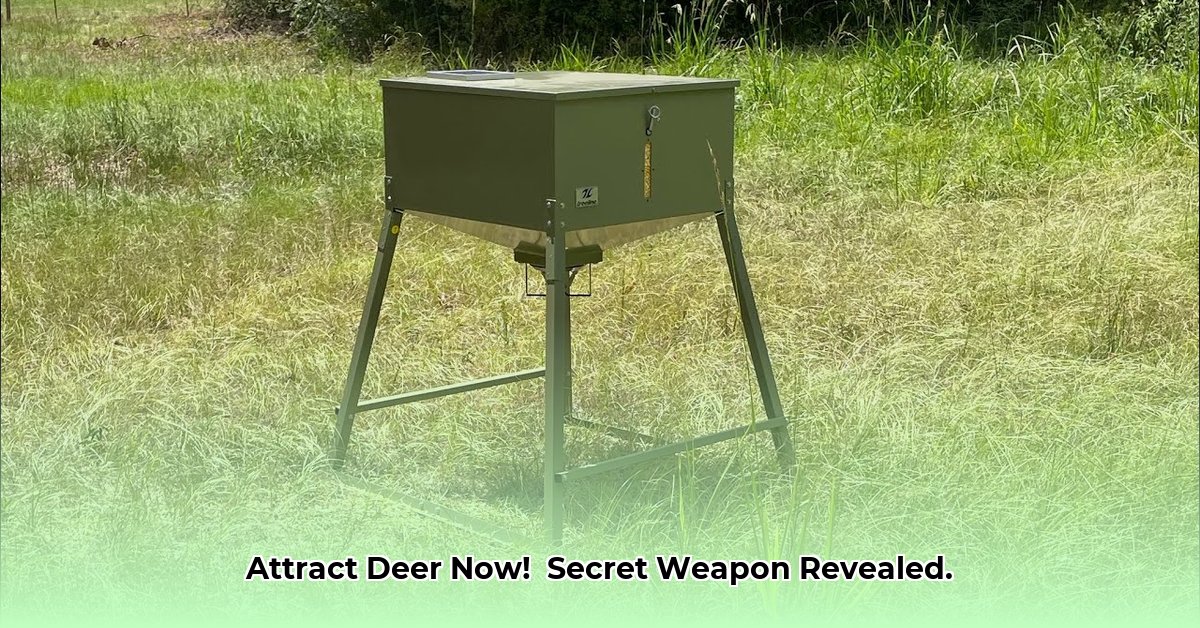
Attracting deer to your property can enhance the natural beauty and biodiversity of your land. Tractor Supply offers a variety of deer feeders, but choosing the right one and using it responsibly is crucial for both wildlife and environmental health. This guide provides practical steps for selecting, installing, and maintaining a deer feeder, while emphasizing sustainable practices for long-term ecological balance. For additional deer management resources, check out deer repellent options.
Selecting Your Deer Feeder from Tractor Supply: A Considered Choice
Choosing a deer feeder is a significant decision impacting both wildlife and your land's ecosystem. Before purchasing, consider these key factors:
- Budget: Tractor Supply offers a range of feeders, from basic gravity feeders to sophisticated automated models. Determine your budget constraints before browsing.
- Property Size and Deer Population: A smaller feeder suffices for smaller properties and lower deer densities, while larger properties might necessitate a higher-capacity feeder.
- Deer Species and Dietary Needs: Different deer species have varying dietary needs. Choose a feeder and feed type appropriate for your local wildlife.
Tractor Supply offers several feeder types:
| Feeder Type | Pros | Cons |
|---|---|---|
| Gravity Feeder | Simple, inexpensive, easy maintenance. | Limited capacity; susceptible to weather; potential for feed waste. |
| Spinner Feeder | Larger capacity; protects feed from weather; less waste. | More expensive; requires more maintenance. |
| Timer/Digital Feeder | Controlled feeding; reduces waste; attracts deer at specific times. | More complex; potential for malfunctions; highest initial cost. |
Setting Up Your Deer Feeder: A Step-by-Step Approach
Proper setup maximizes effectiveness and ensures safety. Follow these crucial steps for optimal results:
Site Selection: Choose a secluded location away from human activity, buildings, roads, and water sources to minimize disturbance and contamination. Consider wind direction to prevent rain from washing away feed. (Avoid placing feeders near roads to reduce the risk of vehicle collisions with deer.)
Secure Mounting: Mount the feeder securely to a sturdy post or tree. Ensure the height prevents access by smaller animals (raccoons, squirrels) while remaining easily accessible to deer. A typical height recommendation is 4-6 feet.
Initial Filling: Begin with a smaller amount of feed instead of completely filling the feeder. This prevents waste and minimizes the attraction of unwanted animals. Adjust the quantity based on consumption, and monitor for mold or spoilage.
Feed and Maintenance: Sustainable Practices
Using high-quality deer feed and consistent maintenance guarantees a healthy deer population and minimizes environmental impact. Remember:
- Feed Quality: Utilize high-quality deer feed to ensure nutritional value and minimize waste due to spoilage. Never use spoiled or moldy feed.
- Regular Cleaning: Clean the feeder at least monthly, or more frequently after heavy rain. This prevents illness and maintains feeder functionality. Remove spoiled feed and any debris. "Regular cleaning helps reduce the risk of disease transmission among deer," says Dr. Emily Carter, Wildlife Veterinarian, University of [University Name].
- Responsible Disposal: Properly dispose of spoiled feed and cleaning materials to avoid environmental contamination.
Understanding the Environmental Impact: A Balanced Perspective
While deer feeders can boost local deer populations, they can also negatively impact the ecosystem. Overfeeding can lead to:
- Habitat Degradation: Over-reliance on supplemental food can lead to deer overgrazing natural vegetation.
- Ecosystem Imbalance: Artificial feeding can disrupt the natural balance of the ecosystem and increase competition for resources among deer and other animals.
- Disease Transmission: Concentrated deer populations around feeders increase the risk of disease outbreaks.
"It's crucial to consider the potential ecological impacts," says Dr. David Miller, Professor of Wildlife Ecology, [University Name]. "Responsible feeding practices, including controlled feed amounts and regular monitoring, are essential for minimizing negative consequences."
Monitoring and Adjustments: A Critical Step
Regular monitoring is essential to fine-tune your strategy and ensure sustainable wildlife management:
- Deer Activity: Track deer visits, feed consumption, and behavioral changes.
- Feed Levels: Adjust feeding frequency and amount based on consumption patterns. Avoid overfeeding.
- Environmental Indicators: Observe changes in plant life surrounding the feeder. This indicates the impact of feeding on the environment.
Responsible Wildlife Management: A Long-Term Commitment
Successful deer feeding requires a long-term perspective focused on responsible wildlife management. By carefully planning, monitoring, and making adjustments based on observations, you can contribute positively to your local deer population while preserving the health of the ecosystem. Remember: sustainable practices are key to enjoying the benefits of deer feeding for years to come. "Responsible wildlife management is about finding a balance between supporting wildlife and protecting the environment," adds Dr. Miller. "By being mindful and adopting sustainable practices, you can ensure the long-term health of both the deer population and your ecosystem.”